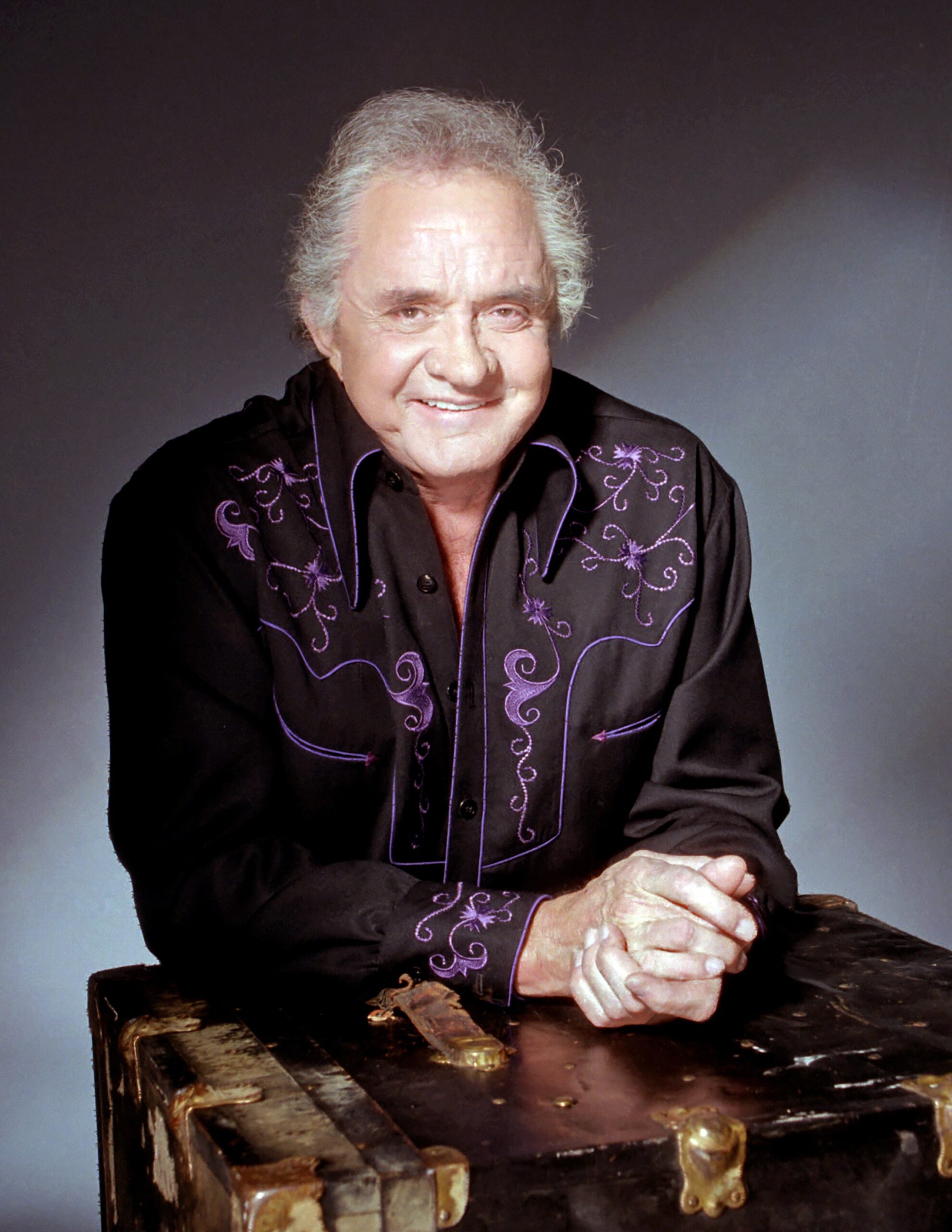
From the age of five, he was working in the fields.
And yet, against all odds, he transformed unimaginable pain into pure artistry.
Today, when we look back on his life, it’s impossible not to celebrate him as one of the greatest artists the world has ever known.
When tragedy struck
Born on February 26, 1932, in Kingsland, Arkansas, this legendary man grew up in a crowded household with seven siblings, where everyone had to pull their weight.
When the day’s work was done, the family gathered on the front porch. His mother would play guitar, and together they sang hymns and old folk songs into the night.
Those moments left a lasting impression. He became captivated by music, not just the sounds around him, but also the voices he heard on a crackling, battery-powered radio. By the age of 12, he was already writing poems, songs, and stories of his own.
Then tragedy struck.
As a young boy, he lost his older brother Jack , someone he deeply admired, after a devastating accident involving an unguarded table saw.
Jack had taken a job at the local school, working in the agriculture shop where he split logs into fence posts using an industrial table saw. One Saturday, the star asked him to skip work and go fishing together — but Jack insisted he needed to show up for his shift.
Considered the golden child
Jack spent a week in the hospital on pain medication. According to his autobiography, the brother even seemed to show signs of improvement five days after the accident.
“My mother and father and I thought we were seeing a miracle,” he wrote.
But the doctor who’d operated on Jack told the family not to ”get too much hope.”
But week after the accident, his brother passed away. The loss stayed with him, leaving a deep sense of guilt and sorrow that followed him for years. He often spoke about it, admitting he carried the weight of that day with him and holding on to the hope of one day being reunited, saying he looked forward to “meeting [his] brother in Heaven.”
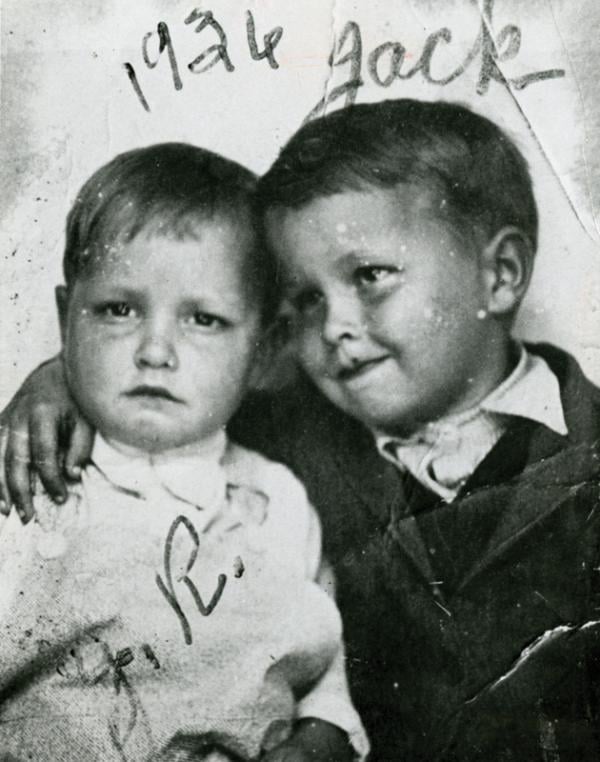
Jack was considered the golden child in the family.
Years later, the star would reflect on the deep admiration he had for his older brother, saying, “He was very strong. He was muscle bound. He worked out, and was in great shape for 14 years old. Jack had been called to preach. Being called to preach in our religion means that you have dedicated yourself to be a minister. Every night, he was at the table with his library, reading the Bible. He was a great influence on me.”
The loss of his brother became a defining moment in his life, marking the end of his carefree childhood and the beginning of a much darker, more reflective path.
And, music gave him a way forward. It became both his escape and his purpose. As a teenager, he began performing wherever he could, on local radio, in small competitions, anywhere someone would listen.
At 14, he took his first job off the farm, but his heart was never in labor. It was in the songs he was writing and the dream he refused to let go of.
Moving to Memphis
When war broke out in Korea, he enlisted in the U.S. Air Force. Stationed in Germany, he bought his first guitar, a small moment that would quietly change the course of his life. He formed a band with fellow servicemen, playing in small clubs near the base and sharpening the sound that would one day define him.
After his service, he moved to Memphis, chasing a dream that felt just out of reach. By day, he sold appliances door-to-door. By night, he pursued music with relentless determination.
Then everything changed.
A small but influential record label recognized something special in him, a raw, authentic voice that couldn’t be ignored. When asked for songs, he delivered. One of his early releases became an instant success, selling tens of thousands of copies and launching him into the spotlight. Soon, he was touring, performing on radio shows, and building a name for himself across the South.
The hits kept coming. Songs about prison, faith, love, and struggle struck a chord with audiences everywhere. One track stayed on the charts for nearly a year and sold over a million copies. Before long, he was performing on the biggest stages in country music and becoming a voice for people who felt unheard.
Inside his addiction
But success came with a price.
The pressure of constant touring and fame led him down a dangerous path of addiction. He wasn’t only an alcoholic but abused amphetamines and was addicted to barbiturates as well.
At his lowest point, everything he had built was at risk.
“I learned the hard way about drugs – not as hard as I could have learned, I guess. Because I courted death with it. For a long time I took my chances and tried a little bit of everything there was to try. Most any of it could have killed me while I was taking it, but I was lucky enough to survive. For anybody else, it probably would have meant certain death,” he once said.
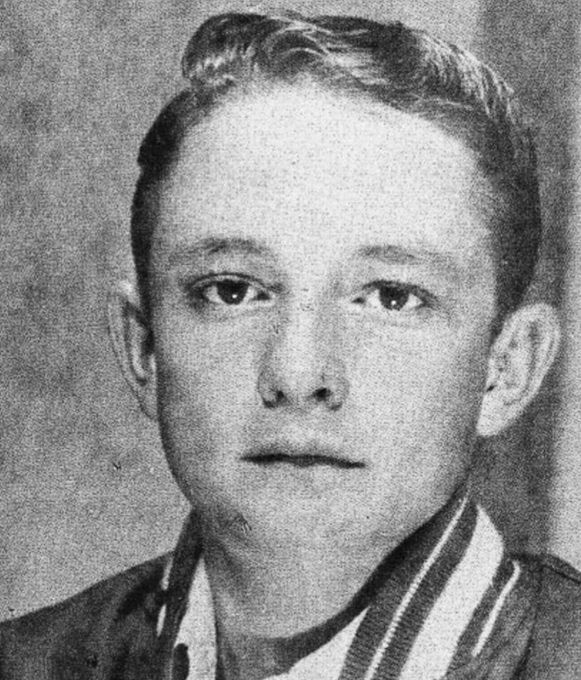
But he fought his way back, with the help of a woman who would become his greatest partner in life. Together, they rebuilt what had nearly been lost.
His return was nothing short of remarkable. He sold out iconic venues, broke records, and even brought together artists from completely different genres on his own television show. He wasn’t just performing anymore, he was connecting worlds.
Despite his fame, he never forgot where he came from. He used his voice to speak for the overlooked and the forgotten, performing in prisons, supporting charities, and fighting for reform. His music carried empathy, shaped by a life that had known both hardship and redemption.
Lost his wife in 2003
He remained humble and grateful throughout his career, just as he had always been, even tough the pills affected him deeply. Despite his fame, those close to him still saw the same person they had always known, often calling him by his given name rather than the stage name the world recognized.
Decades passed, and his influence only grew. He earned countless awards, entered multiple halls of fame, and continued reinventing himself, even late in life, introducing his music to new generations.
After decades together, he lost the love of his life in 2003. Just months later, he followed her.
And that’s when you truly understand the magnitude of his story.
He wasn’t just an artist.
He wasn’t just a voice.
He was Johnny Cash — and his legacy still echoes across generations.