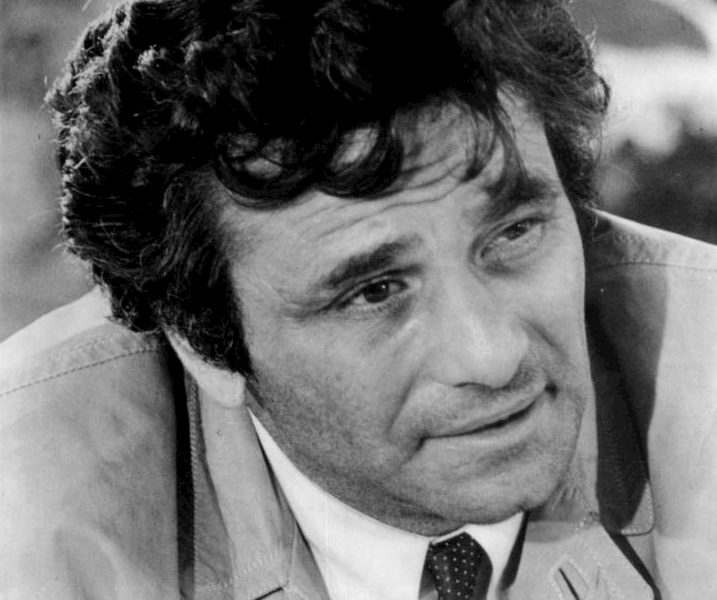
At a time when crime dramas were dominated by slick, impeccably dressed detectives who solved cases through brilliance and bravado, Columbo appeared almost out of place. He was absent-minded, softly spoken, and seemingly unsure of himself. Yet that was precisely the genius of the character. Beneath the clumsy exterior was a razor-sharp mind that quietly dismantled the egos of powerful criminals who always underestimated him.
Throughout the 1970s, Columbo ruled primetime television, later returning in periodic TV movies that stretched into the early 2000s. The show’s success crossed borders and generations, turning Peter Falk into a global icon. His performance earned four Emmy Awards and cemented Columbo as one of the most influential detective characters ever created.
Audiences were drawn to the way this blue-collar homicide detective outwitted wealthy elites, celebrated professionals, and smug intellectuals without ever raising his voice. Falk’s Columbo never needed force or arrogance. His weapon was patience, observation, and an unshakable sense of moral clarity.
Yet behind the camera, Peter Falk’s life was far more complex than the deceptively simple character he portrayed. His journey was shaped by early hardship, artistic determination, and deeply personal challenges that followed him long after the cameras stopped rolling.

A Childhood Marked by Loss and Determination
Peter Michael Falk was born in New York City in 1927. At just three years old, his life took a dramatic turn when he was diagnosed with retinoblastoma, a rare and aggressive form of eye cancer. Doctors were forced to remove his right eye to save his life.
For the rest of his years, Falk wore a prosthetic eye, a physical difference that might have sidelined many children. Instead, it became part of his identity. The distinctive squint it created later contributed to the unique screen presence audiences would instantly recognize.
Despite the trauma of early surgery, Falk grew up energetic and competitive. He excelled in sports, particularly baseball and basketball, and refused to allow his disability to define his limitations. His confidence and humor became tools for navigating a world that often underestimated him.
In a 1997 interview with Cigar Aficionado, Falk recalled a moment from his high school baseball days that captured his personality perfectly. After a disputed call by an umpire, Falk removed his glass eye, handed it over, and joked, “Try this.” The crowd erupted in laughter, and the tension instantly dissolved.
That combination of wit, resilience, and self-possession would later define his career.
Finding His Way to the Stage and Screen
Falk did not initially pursue acting as a young man. After graduating from college, he worked in public administration and served in the U.S. Merchant Marine. Acting came later, through regional theater, where his raw authenticity began to attract attention.
His breakthrough arrived in 1960 with the film Murder, Inc., where he portrayed gangster Abe Reles. The performance was intense, grounded, and deeply human, earning Falk an Academy Award nomination for Best Supporting Actor. Overnight, he became one of Hollywood’s most intriguing new performers.
He followed that success with another Oscar-nominated role in Pocketful of Miracles in 1961, acting alongside Bette Davis. Critics praised his ability to blend toughness with vulnerability, a rare quality that made his characters feel lived-in rather than performed.
Becoming Columbo
When Falk first appeared as Lieutenant Columbo in a television movie in 1968, the character was unlike any detective audiences had seen. He wore a wrinkled coat, drove a battered car, and spoke with gentle persistence rather than authority.
Falk insisted on shaping the character himself, resisting attempts to make Columbo more polished or conventional. He understood that Columbo’s power came from appearing harmless. Criminals underestimated him at their own peril.
More importantly, he had created a character that transcended entertainment. Columbo was about psychology, patience, and the quiet dismantling of arrogance. Falk elevated every script with subtle gestures, pauses, and expressions that conveyed far more than dialogue ever could.
Marriage, Fatherhood, and Family Strain
In 1960, Falk married Alyce Mayo, whom he had met while both were students at Syracuse University. Together they adopted two daughters, Catherine and Jackie. In public, the family appeared stable and close, but relationships behind the scenes were more complicated.
Catherine later became a private investigator and spoke openly about tensions with her father, particularly regarding boundaries and financial support. These issues were deeply personal and painful, reflecting challenges that exist in many families but are rarely played out under public scrutiny.
After Falk married actress Shera Danese in 1977, those tensions reportedly intensified. Over time, legal disputes emerged involving conservatorship, medical decisions, and visitation rights as Falk’s health declined.
While biographies and media coverage sometimes sensationalized these conflicts, court records confirm that the disputes were rooted in concerns about care, access, and authority during a period when Falk was no longer able to advocate for himself fully.
Declining Health and Dementia
In the mid-2000s, Falk’s health began to deteriorate. After undergoing hip surgery in 2008, noticeable cognitive decline followed. Court documents later confirmed that he was suffering from dementia, and Shera Danese was appointed his legal conservator to manage his medical and personal affairs.
Some accounts have claimed that Falk no longer recognized his most famous role. These statements come from personal testimony rather than formal medical diagnoses and should be understood in that context.
What is medically verified is that his dementia progressed significantly in his final years, making constant care essential.
On June 23, 2011, Peter Falk died at his home in Beverly Hills at the age of 83. The official cause of death was pneumonia, with Alzheimer’s disease listed as a contributing condition.
Tributes and a Lasting Legacy
News of Falk’s death prompted an outpouring of tributes across Hollywood and beyond. Steven Spielberg, who worked with Falk early in his career, reflected on his influence, saying he learned more about acting from Falk than from anyone else at that stage of his life.
Despite the complexities of his personal life, Falk was remembered by colleagues and fans for his humor, warmth, and deep commitment to his craft.
His daughters acknowledged the difficulties in their relationship but also spoke of his intelligence, creativity, and the unmistakable presence he brought into their lives.
Why Peter Falk Still Matters
Peter Falk’s legacy endures because Columbo endures. Decades later, the show continues to attract new audiences who appreciate its clever structure, memorable villains, and emphasis on character over spectacle.
Columbo was never about action sequences or flashy effects. It was about understanding people, exposing contradictions, and letting truth surface slowly. Falk embodied that philosophy with every performance.
Beyond television, Falk was also a painter, a storyteller, and a man who refused to let physical limitations dictate the boundaries of his life.
Today, his legacy lives on through:
- The millions of fans who continue to watch Columbo worldwide,
- The actors and filmmakers inspired by his understated brilliance,
- And the enduring reminder that intelligence does not need to announce itself to be powerful.
Peter Falk may be gone, but Lieutenant Columbo remains immortal, forever pausing at the doorway, scratching his head, and turning back with one final question that changes everything.
Let us know what you think about Peter Falk’s legacy in the comments, and if this story moved you, please share it with friends and family who still love classic television.
Source Used:
The New York Times – Peter Falk Obituary
The Guardian – Peter Falk: Life and Career Overview
BBC News – Peter Falk Dies Aged 83
Please let us know your thoughts and SHARE this story with your Friends and Family!