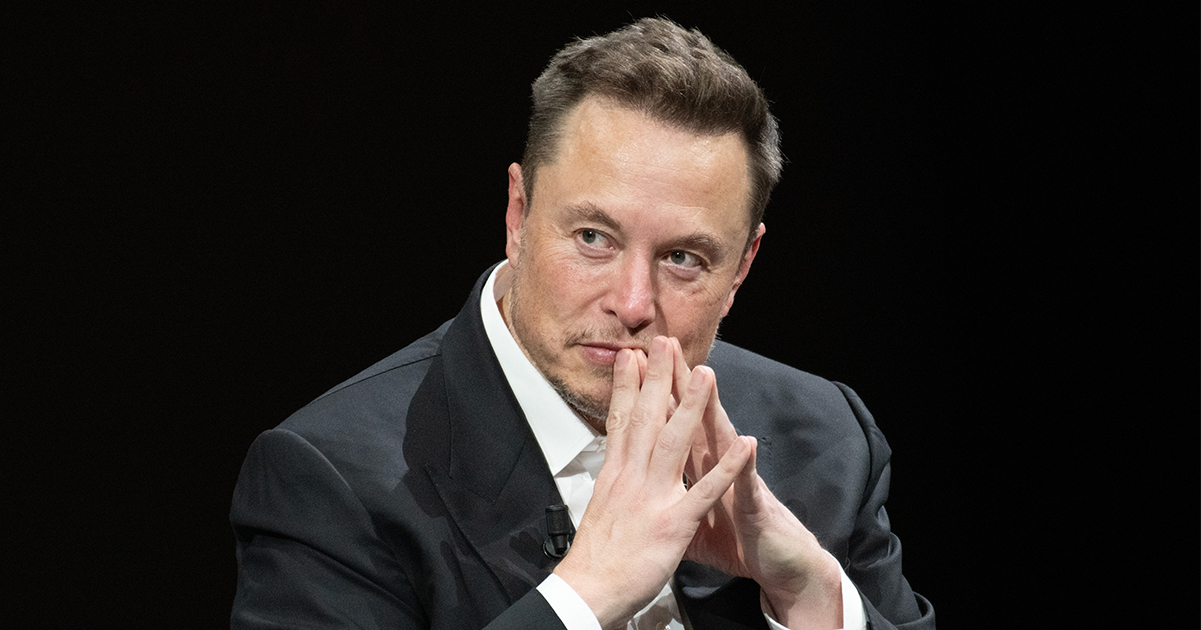

Billionaire technologist Elon Musk has issued an urgent assessment concerning the rapid evolution of artificial intelligence, cautioning that society faces a compressed timeline of mere months to prevent a monumental infrastructure crisis. During a candid February 5 appearance on Dwarkesh Patel's 'Cheeky Pint' podcast, the founder of SpaceX and xAI underscored that the planet is quickly approaching a hard ceiling regarding the staggering electrical generation necessary to sustain next-generation machine learning architectures.
While mainstream conversations frequently center on software algorithms and algorithmic sophistication, Musk stressed that the primary hurdle is rooted in fundamental physical reality: raw electrical supply. Illustrating the immense scale of modern energy footprints, he noted that the United States currently functions on approximately half a terawatt, highlighting the logistical hurdles of doubling that capacity within a tight timeframe.
The Essential Background Leading Up to Today's Update
According to the Tesla CEO, humanity has a narrow window—fewer than three years—to keep pace with the voracious power demands of advanced AI models. To bypass terrestrial grid collapse and regulatory gridlock, Musk projected that space will become the most economically viable environment for heavy computation within 30 to 36 months, arguing that terrestrial energy expansion risks overwhelming local utilities.
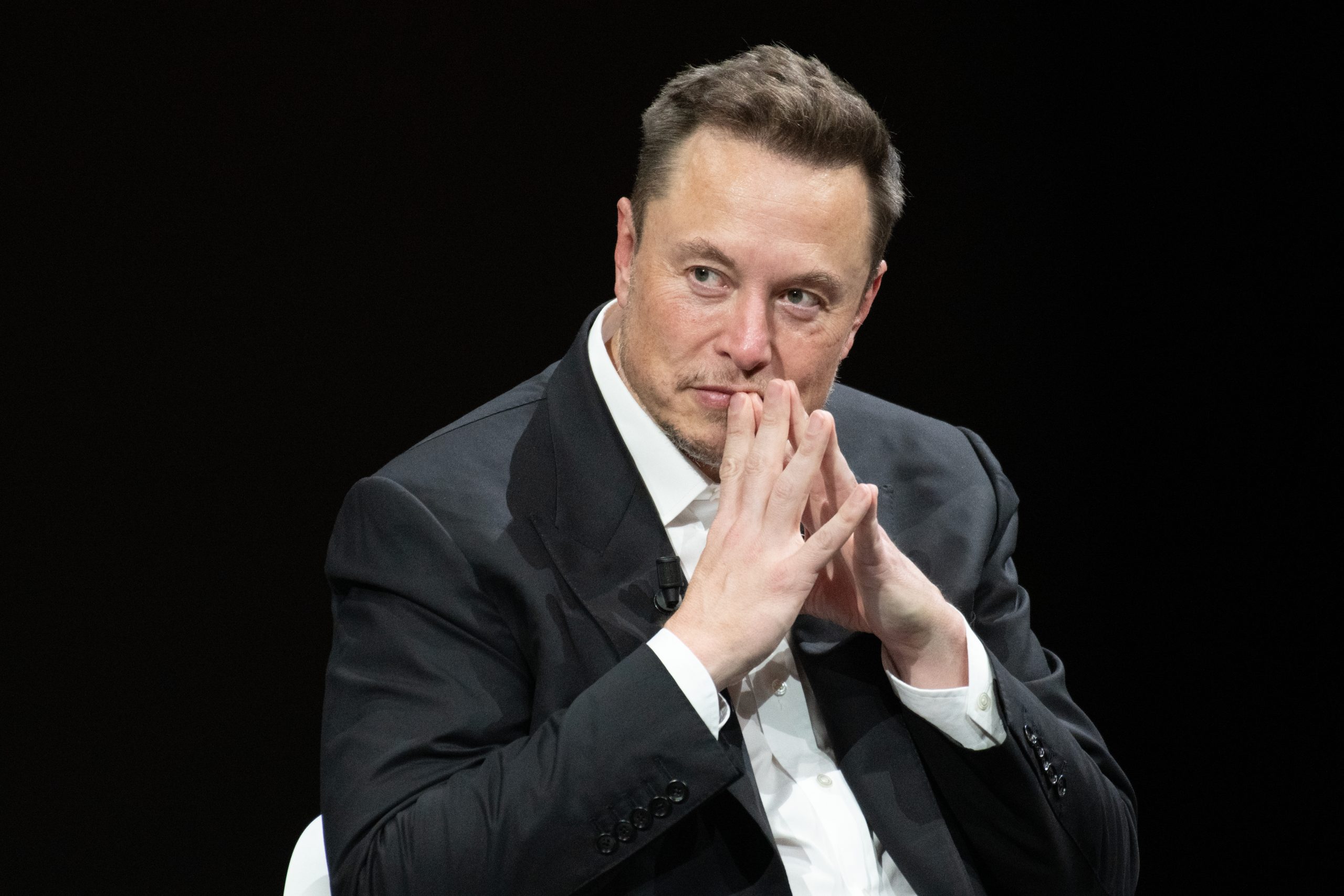
News22 Visual Archive • In-Depth Coverage
Moving massive computational workloads beyond Earth offers a compelling answer to terrestrial power caps by leveraging uninterrupted solar radiation. Orbital solar farms operate without atmospheric interference, weather delays, or nighttime darkness, achieving roughly five times the efficiency of ground-based photovoltaic panels while bypassing the necessity for heavy, expensive battery storage systems.
Reactions, Impact, and Expert Perspectives
The financial viability of orbital expansion is increasingly bolstered by plunging rocket launch expenditures and affordable hardware production, with Musk pointing out that solar cells are currently manufactured for about 25 to 30 cents a watt in China. Operating within the vacuum of space avoids the immense costs and infrastructural complexities of terrestrial green energy storage, turning orbital server infrastructure into an appealing frontier for continuous processing.
Moving past theoretical speculation, Scientific American reported on January 30, 2026, that Musk's enterprise officially submitted regulatory filings with U.S. authorities to deploy up to one million satellites into orbit. This monumental fleet aims to construct vast, solar-powered orbital data centers capable of sustaining explosive growth in artificial intelligence workloads without placing crippling pressure on municipal power grids.
This ambitious blueprint marks a dramatic expansion from current orbital traffic metrics, which currently encompass roughly 15,000 total satellites, including over 9,600 operational Starlink units managed by SpaceX. As domestic utilities navigate strict emissions targets and soaring industrial electricity demands from proliferating terrestrial data centers, Musk's orbital vision highlights a profound structural challenge poised to redefine the future of global technology.
How Ricky Nelson saved the lives of his twin boys on the mysterious plane accident that led to his own death